The telecom industry’s next growth market - connecting women
- Details
- Category: Humanitarian Comms
- 2661 views

For more than a decade, the telecoms industry has championed digital inclusion, invested billions in network expansion and driven smartphone adoption across emerging markets. Yet 810 million women in low- and middle-income countries (LMICs) remain offline.
The GSMA's latest Mobile Gender Gap Report found that women in LMICs are still 12% less likely than men to use mobile internet, with 810 million women remaining unconnected compared to 595 million men. More than two-thirds of these women live in Sub-Saharan Africa and South Asia, where the mobile internet gender gap stands at 26% and 25%, respectively.
So why has progress slowed, and what barriers remain once network coverage is available? Developing Telecoms spoke to the GSMA, Télécoms Sans Frontières (TSF) and Pakistan-based mobile financial services provider JazzCash to examine the social and commercial challenges behind one of the industry's biggest untapped opportunities.
Affordability remains the biggest hurdle
According to Claire Sibthorpe (pictured, below) the GSMA's head of digital inclusion, the mobile gender gap had been narrowing steadily before the Covid-19 pandemic. Since then, however, progress has slowed as conflicts, inflation and broader macroeconomic pressures have disproportionately affected women.
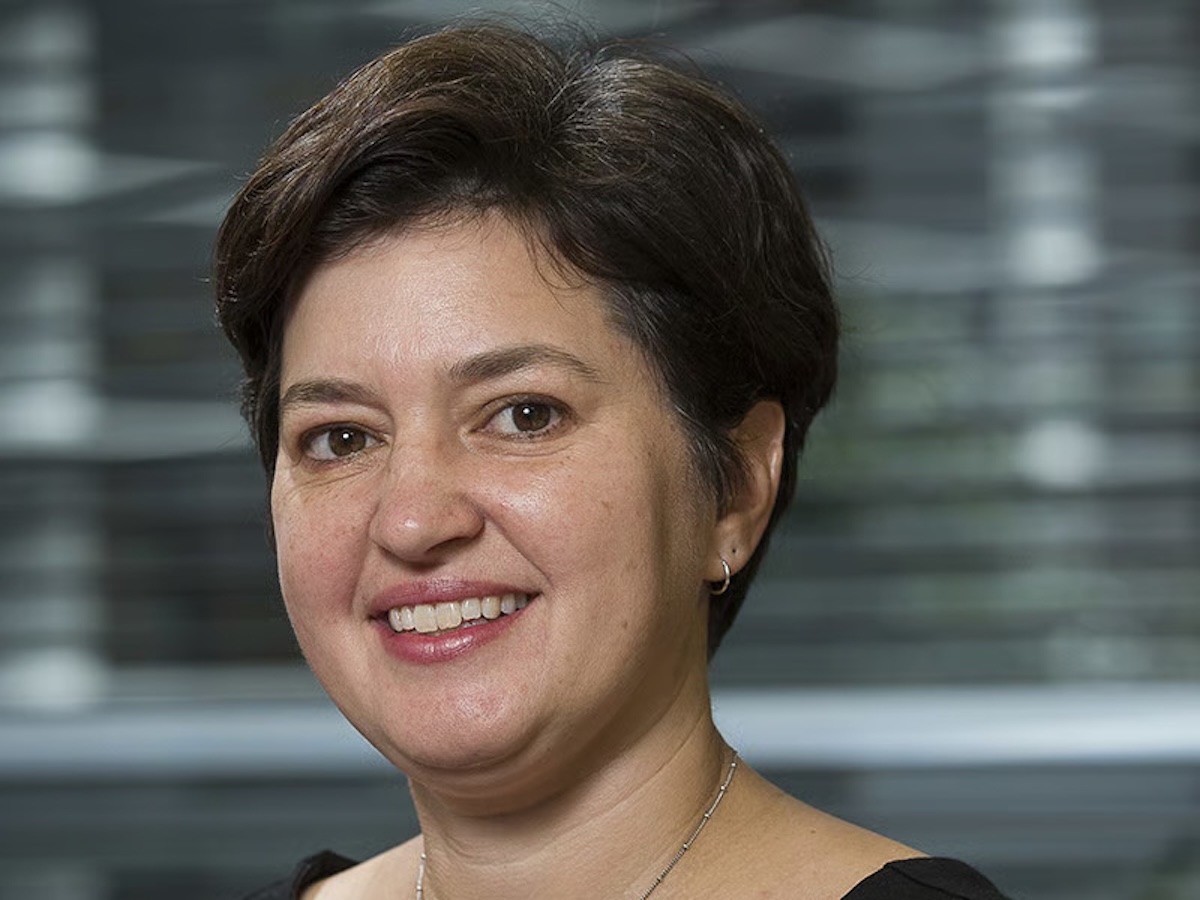
"More needs to be done," said Sibthorpe, noting that recent economic shocks have widened existing inequalities rather than narrowing them.
Affordability remains the biggest obstacle to getting women online, particularly the cost of smartphones. While this has long been the case, Sibthorpe believes the rapid rise of AI risks making the problem worse.
"I think affordability is going to become even more of a barrier because AI is placing large demand on memory prices, which is really going to increase the cost of handsets."
She warned that AI-driven demand for components is already affecting smartphone pricing and that the impact will become more visible as retailers begin replacing existing inventory with newer, more expensive devices.
The greatest impact is expected to be felt at the lower end of the market, where entry-level smartphones are most popular across emerging economies.
According to the GSMA, for the poorest 20% of people in Sub-Saharan Africa, purchasing a basic internet-enabled smartphone can consume between 80% and 95% of average monthly income.
"I think it's only going to grow as a problem," Sibthorpe warned.
Beyond connectivity
Cost, however, is only part of the challenge.
The GSMA identifies literacy and digital skills as the second-largest barriers to mobile internet adoption. These challenges are compounded by social norms and structural inequalities that disproportionately affect women.
Lucille Ganchou, senior project manager at Télécoms Sans Frontières, has seen those barriers first-hand through projects supporting women in Madagascar and displaced communities in Syria and Ukraine.
"There are structural barriers," she said, explaining that access to connectivity often depends on far more than simply owning a device.
In Madagascar, TSF found that girls who married young frequently stopped attending digital literacy sessions as domestic responsibilities took priority.
Those barriers can become even more serious during humanitarian crises.
Working with displaced communities in Syria following the fall of the Bashar al-Assad regime, TSF found that women and girls were particularly vulnerable to scams, phishing attacks and online blackmail as they searched for information about returning home.
"There's consequences to this," Ganchou said. "It links to mental health concerns, economic violence, difficulties and a strong feeling of isolation for victims."
For TSF, meaningful digital inclusion means ensuring women have both access to connectivity and the confidence and skills to use it safely.
A commercial opportunity
Closing the gender gap is not only a social imperative but also a commercial opportunity.
The GSMA estimates that eliminating the mobile internet gender gap between 2023 and 2030 could generate US$1.3 trillion in additional GDP while creating US$230 billion in additional revenue for the mobile industry.
Pakistan provides one example of both the challenges and opportunities involved.
JazzCash, the digital financial services arm of JazzWorld, a digital operating company of Veon, now serves 62 million customers, of which around 25 million are active each month. Supported by a network of more than 1.5 million merchants and 200,000 agents, the platform has become one of Pakistan's largest digital payment ecosystems.
Yet CEO Murtaza Ali (pictured, below) acknowledged that significant gender barriers remain.
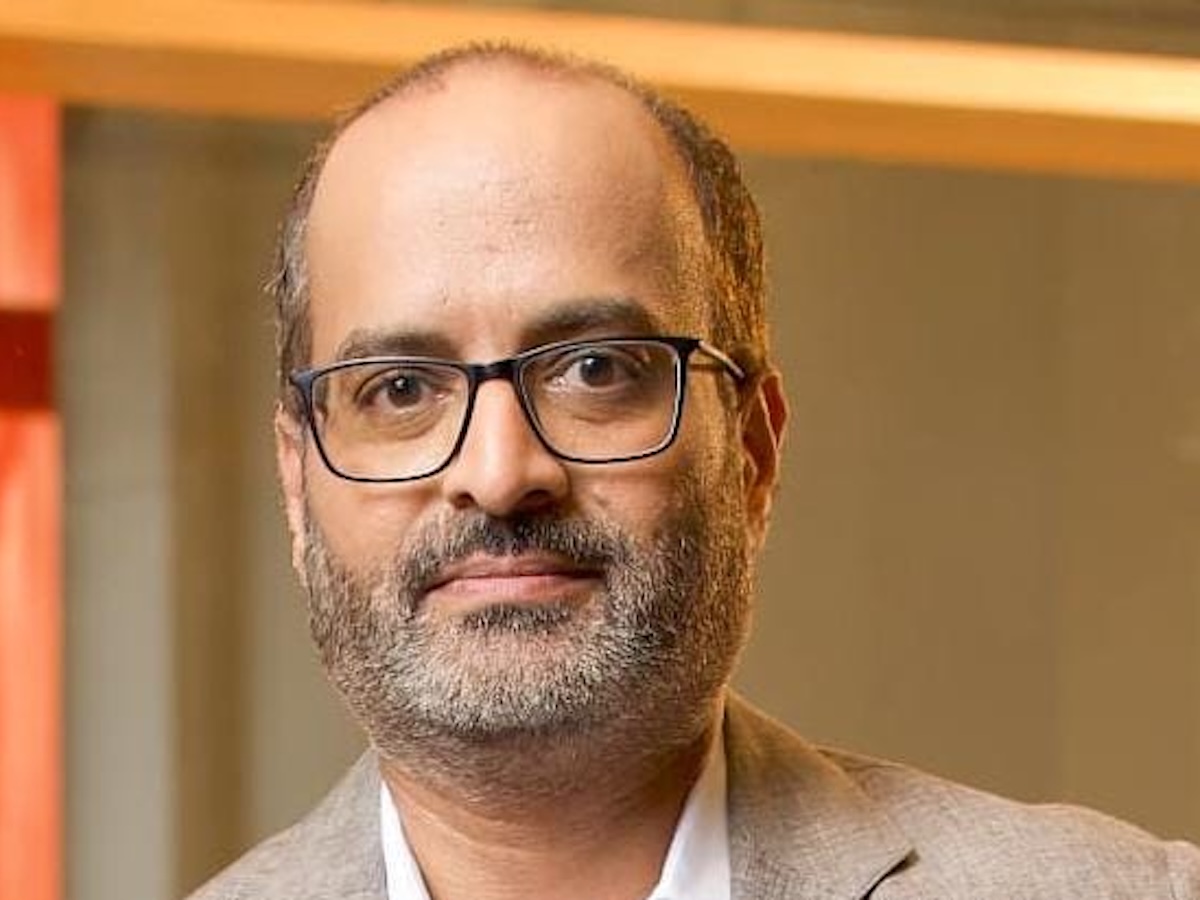
Social norms continue to influence smartphone ownership and digital adoption, particularly in lower-income households where women are often less likely to own a device.
Pakistan's SIM registration rules, which allow individuals to own multiple SIM cards, have enabled some women to gain access to mobile services through devices shared by male family members.
Ali described this as an "unfortunate" reality, although one that is gradually improving.
Sibthorpe agreed that device sharing has helped reduce Pakistan's gender gap, even if it falls short of providing women with independent digital access.
Designing services for women
Getting women connected is only the first step.
Ali said providers also need to ensure digital services genuinely meet women's needs rather than relying on superficial marketing.
"You can't simply create an app in feminine colours and expect women to adopt it," he suggested.
Instead, JazzCash has focused on recruiting more women into customer-facing and leadership roles while developing partnerships with organisations such as the Women Chamber of Commerce and Industry Pakistan to better understand female customers.
The platform has enabled many women to become entrepreneurs, operating home-based businesses ranging from catering to handicrafts while building financial histories that allow them to access formal credit.
"We understood their patterns, their behaviours, how much they would be charged and how much they were actually paying their utility bills," Ali explained. "All of this data allowed us to create a holistic credit scoring system. We also found women are more likely to repay their loans."
Haris Javed, JazzCash's vice president of customer experience, said changing attitudes among men has been just as important as educating women.
"We've really worked hard on educating men on the value of financial inclusion for women because of these barriers," he said. "You need to spend equal, if not more, time educating men so that they enable their wives, sisters and daughters to become more financially independent."
A shared responsibility
Pakistan, like many emerging markets, remains heavily cash-based.
Ali believes governments can accelerate digital adoption through incentives, pointing to provincial programmes that reduce sales tax for consumers using digital payments rather than cash.
"With all of these incentives, I think we will probably see much greater adoption, not just among women but across society," he said. "Our customer penetration should ultimately reflect the population's gender balance."
For the GSMA, however, no single organisation can solve the problem alone.
Sibthorpe argued that reducing the mobile gender gap requires sustained collaboration between governments, operators, development organisations and civil society.
"Our industry has a big role to play, but it operates in an environment where there are structural inequalities that make reducing the gap challenging," she said. "That's why it needs a multi-stakeholder approach."
Closing the gender gap will require more than expanding mobile coverage. It demands affordable devices, relevant digital services, stronger digital literacy, safer online experiences and, perhaps most challenging of all, tackling the social and economic inequalities that continue to determine who benefits from the digital revolution.
More Articles you may be Interested in...



EBRD helps to fund expansion plans of Yas in Africa






MWC26 Kigali has been postponed



A direct line from LEO: problem or opportunity?