Orange, Huawei use AI-powered solar sites to expand rural connectivity in Africa
- Details
- Category: Energy & Sustainability
- 32754 views
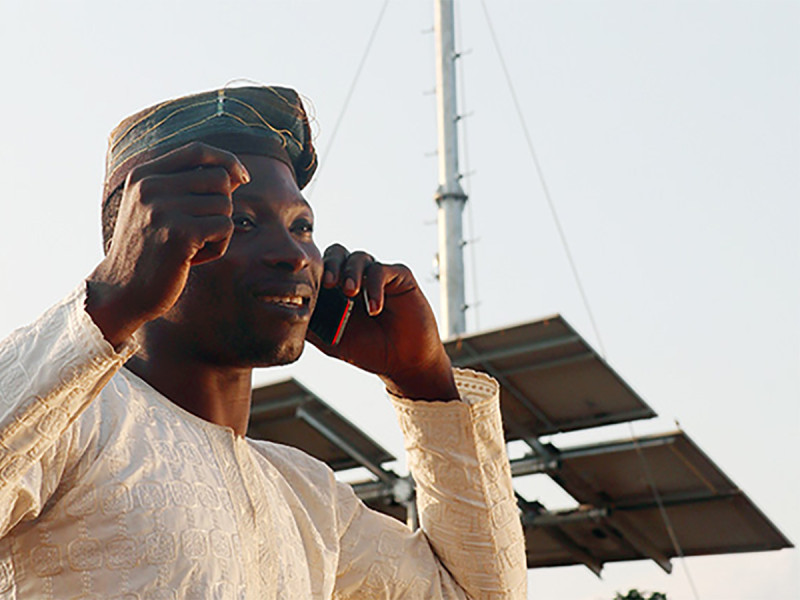
Orange Middle East & Africa and Huawei are addressing one of the biggest challenges in African telecoms – delivering reliable connectivity in remote areas – through the deployment of AI-enabled solar-powered base stations.
Speaking at Mobile World Congress 2026 in Barcelona, executives from both companies outlined how a new “AI Solar” approach is helping tackle issues such as unreliable power infrastructure, harsh environmental conditions and the high operating costs that have historically limited rural network expansion.
The system combines solar power with AI-driven forecasting and energy management tools designed to keep sites operational even during prolonged periods of poor weather – a common challenge for rural towers that rely heavily on solar energy.
Mamadou Coulibaly, Deputy CEO and COO of Orange Côte d’Ivoire, said maintaining stable power remains one of the biggest operational challenges in rural deployments.
“Our key challenge in rural locations is power consumption and keeping these sites working,” he said. “We have rolled out almost 1,200 sites in rural locations today. With this new collaboration we are able to reduce downtime by around 45%.”
According to He Yunru, President of Huawei’s SingleRAN Product Line, the AI Solar platform analyses historical traffic data alongside weather forecasts to anticipate both network demand and solar energy availability.
This allows the system to dynamically adjust site operations when energy becomes constrained. Non-essential equipment can be temporarily shut down in stages, ensuring that core services remain operational for longer periods.
In Côte d’Ivoire, Huawei says the approach has helped reduce outages by nearly 50% without requiring additional battery capacity – typically one of the most expensive components of remote site deployments.
The AI solar solution provides a more resilient network for remote areas, effectively enhancing digital inclusion, bridging the usage gap, and enabling more people to participate in the digital economy.
The central role of AI
For Ben Haidara, Deputy CEO and COO of Orange Middle East and Africa, AI will increasingly play a role not only in powering sites but also across wider network and customer-facing systems.
“We will be using AI not only in solar systems but across the entire network,” he said, pointing to applications such as zero-touch network management, CRM optimisation and next-best-offer platforms.
Orange Middle East and Africa currently serves more than 170 million customers across 18 countries. Haidara added that expanding connectivity in rural areas is only part of the objective; the longer-term goal is ensuring that digital services – including financial platforms such as super app Max It – deliver tangible benefits to users once connectivity is in place.
By combining AI-driven network management with solar infrastructure, the companies argue that rural sites can become more commercially viable, potentially shortening the traditionally long return-on-investment timelines associated with remote network deployments.
As operators continue to search for sustainable models to expand coverage, the partners say intelligent energy management could play an increasingly important role in extending connectivity to underserved communities across Africa. This digital innovation will further drive growth in key areas of the real economy, such as agriculture, manufacturing, and financial services, enhance social productivity, and facilitate inclusive economic transformation.
More Articles you may be Interested in...






Orange Slovensko and Enery sign solar energy deal

Egypt’s NTRA announces 6GHz first for Africa




Africa and the Middle East fuel growth for Orange




AST SpaceMobile service launch delayed


Huawei to support Equatorial Guinea’s comms upgrade