

A closer look at oil pollution – from outer space
- Details
- Category: Satellite Networks
- 18647 views
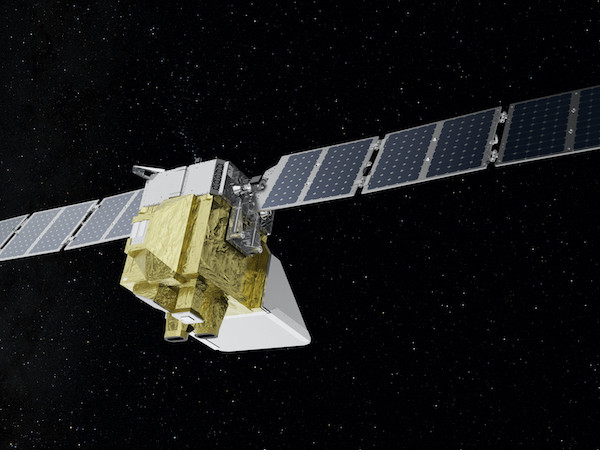
Oil and gas production are major industries in the Middle East, Latin America, sub-Saharan Africa and other regions covered by this publication. But should telecoms monitor the effect of these industries on the environment – and if so, how? Two possible answers come in the form of a recently launched satellite.
MethaneSAT is designed to help protect the Earth’s climate by accelerating reductions of a powerful greenhouse pollutant, focusing first on oil and gas operations, a major source of methane.
Developed by a subsidiary of the global non-profit Environmental Defense Fund (EDF), MethaneSAT will see and quantify total methane emissions over wide areas that other satellites can’t – and identify large emitters in places those satellites aren’t looking. Data from MethaneSAT will enable both companies and regulators to track emissions, and give stakeholders – citizens, governments and investors – free, near-real time access to the data, and the ability to compare the results against emission goals and obligations.
EDF President Fred Krupp says: “Cutting methane pollution from fossil fuel operations, agriculture and other sectors is the single fastest way to slow the rate of warming as we continue to decarbonise our energy systems,” said. “To do that requires comprehensive data on this pollution on a global scale. MethaneSAT will show us the full scope of the opportunity by tracking emissions to their source.”
Circling the Earth 15 times a day, MethaneSAT will measure changes in methane concentrations as small as three parts per billion. High sensitivity together with high resolution and a wide field of view will enable MethaneSAT to see the whole emissions picture.
Interactive emissions data will be available to anyone directly from www.MethaneSAT.org and on Google Earth Engine, a premier geospatial data platform used by over 100,000 experts and analysts.
In addition to identifying emission sources and rates for a given region, MethaneSAT will make it possible to compare emission loss rates across major oil and gas regions worldwide and performance over time. Analytics developed specially for the mission will trace those emissions back to their sources within those target regions.
As methane standards are incorporated into national policy and trade agreements, EFE says MethaneSAT will help ensure targets are being met – and make clear where claimed reductions fall short.

More Articles you may be Interested in...



Oi Brazil bankruptcy ruling confirmed


Equinix boosts data centre investment in Colombia



Ericsson and MTN continue MTN MoMo transition


Qatar Airways announces Starlink first


Kenyan domain growth outstrips global average





UAE’s Space42 supports driverless systems project


